
Contents
- 🌎 Origins & History
- 💡 How It Works
- 📊 Key Facts & Numbers
- 👥 Key People & Organizations
- 🌍 Cultural Impact & Influence
- ⚡ Current State & Latest Developments
- 🤔 Controversies & Debates
- 🔮 Future Outlook & Predictions
- 💡 Practical Applications
- 📚 Related Topics & Deeper Reading
- Frequently Asked Questions
- References
- Related Topics
Overview
Sustainability refers to the ability of businesses, products, and organizations to maintain environmentally friendly practices over a long period. This concept has become increasingly important as companies prioritize reducing their carbon footprint. With the help of certifications like ISO 14001 and LEED certification, companies can ensure their operations are sustainable. The economic dimension of sustainability is a topic of debate among scholars, with some arguing that it can lead to increased costs, while others believe it can drive innovation and growth. As consumers become more eco-conscious, the demand for sustainable products and services is on the rise, with companies like Whole Foods and Seventh Generation leading the way. The concept of sustainability is closely tied to sustainable development, which refers to the processes and pathways to achieve a more sustainable world. With the increasing awareness of environmental issues, sustainability has become a key consideration for businesses and individuals alike.
🌎 Origins & History
Sustainability has its roots in the Latin word 'sustinere', meaning to hold up or support. The concept has evolved over time, with the modern usage emphasizing the environmental dimension. Companies like IKEA and Coca-Cola have made significant strides in reducing their environmental impact, with initiatives like renewable energy and sustainable packaging. The history of sustainability is closely tied to the development of environmentalism.
💡 How It Works
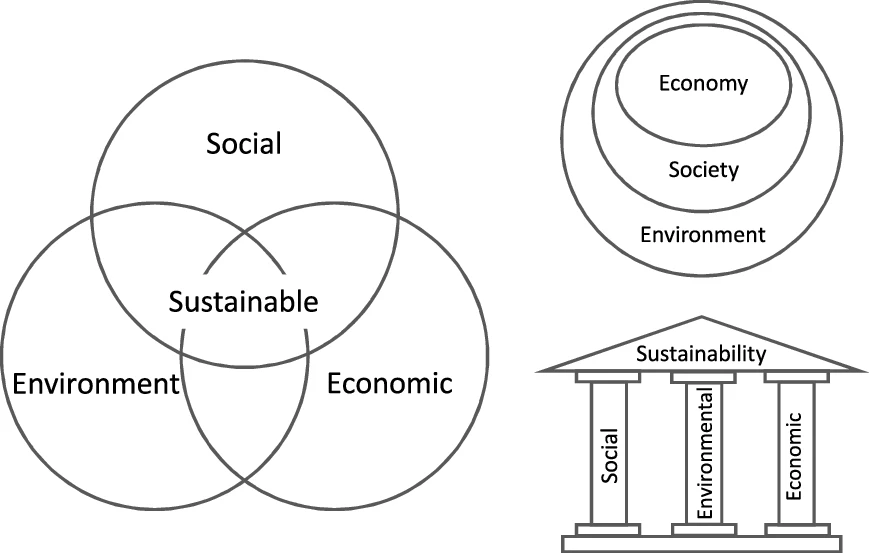
Sustainability works by considering the environmental, social, and economic impacts of a company's operations. This can include reducing energy consumption, using sustainable materials, and implementing recycling programs. Companies like Patagonia use recycled materials in their products. The use of sustainable materials is also on the rise, with companies like Coca-Cola using recycled materials in their packaging.
📊 Key Facts & Numbers
Key facts about sustainability include the fact that companies like Tesla are leading the way in the renewable energy sector, with solar panels and wind turbines becoming increasingly popular. The use of sustainable materials is also on the rise, with companies like Patagonia using recycled materials in their products.
👥 Key People & Organizations
Key people and organizations in the sustainability space include UN Environment Programme, World Wildlife Fund, and The Nature Conservancy. These organizations are working to promote sustainability and reduce environmental impact, with initiatives like the Sustainable Development Goals. Companies like Patagonia and Reformation are also leading the way in sustainable fashion, with a focus on environmentally friendly materials and production methods.
🌍 Cultural Impact & Influence
Sustainability has had a significant cultural impact, with the concept becoming increasingly mainstream. Companies like Whole Foods and Trader Joe's have made sustainability a key part of their brand identity, with a focus on organic and locally sourced products. The rise of sustainable fashion has also led to a shift in consumer behavior, with consumers increasingly prioritizing environmentally friendly products.
⚡ Current State & Latest Developments
The current state of sustainability is one of rapid growth and innovation, with new technologies and initiatives emerging all the time. The use of sustainable materials is on the rise, with companies like Patagonia using recycled materials in their products. The latest developments in sustainability include the rise of circular economy and biodegradable materials.
🤔 Controversies & Debates
Controversies and debates surrounding sustainability include the question of whether it is possible to achieve sustainability without sacrificing economic growth. Some argue that sustainability can drive innovation and growth, while others believe it can lead to increased costs and decreased competitiveness. The debate around sustainability is complex, with different stakeholders having different perspectives and priorities.
🔮 Future Outlook & Predictions
The future outlook for sustainability is one of continued growth and innovation, with new technologies and initiatives emerging all the time. Companies like Tesla are leading the way in the renewable energy sector, with solar panels and wind turbines becoming increasingly popular. The use of sustainable materials is also on the rise, with companies like Coca-Cola using recycled materials in their packaging.
💡 Practical Applications
Practical applications of sustainability include the use of renewable energy, sustainable materials, and recycling programs. Companies like Patagonia use recycled materials in their products. Individuals can also make a difference by making sustainable choices, such as reducing energy consumption and using public transport.
Key Facts
- Year
- 2020
- Origin
- Global
- Category
- energy
- Type
- concept
Frequently Asked Questions
What is sustainability?
Sustainability refers to the ability of businesses, products, and organizations to maintain environmentally friendly practices over a long period. This concept has become increasingly important as companies prioritize reducing their carbon footprint. With the help of certifications like ISO 14001 and LEED certification, companies can ensure their operations are sustainable.
How does sustainability work?
Sustainability works by considering the environmental, social, and economic impacts of a company's operations. This can include reducing energy consumption, using sustainable materials, and implementing recycling programs. Companies like Patagonia use recycled materials in their products.